


Certified Radon Testing for Safe Living Spaces: Radon Hazard Assessment
Radon is a silent threat that can affect the safety of any indoor environment. It is a naturally occurring radioactive gas that can seep into homes and buildings without any noticeable signs. Because radon is colorless, odorless, and tasteless, the only way to know if your living space is safe is through proper testing. Certified radon testing is essential to identify and manage this hazard effectively.
Understanding Radon Hazard Assessment
Radon hazard assessment involves measuring the levels of radon gas in a building to determine if they exceed safe limits. This process is critical because prolonged exposure to high radon levels increases the risk of lung cancer. The Environmental Protection Agency (EPA) recommends action if radon levels are 4 picocuries per liter (pCi/L) or higher.
A radon hazard assessment typically includes:
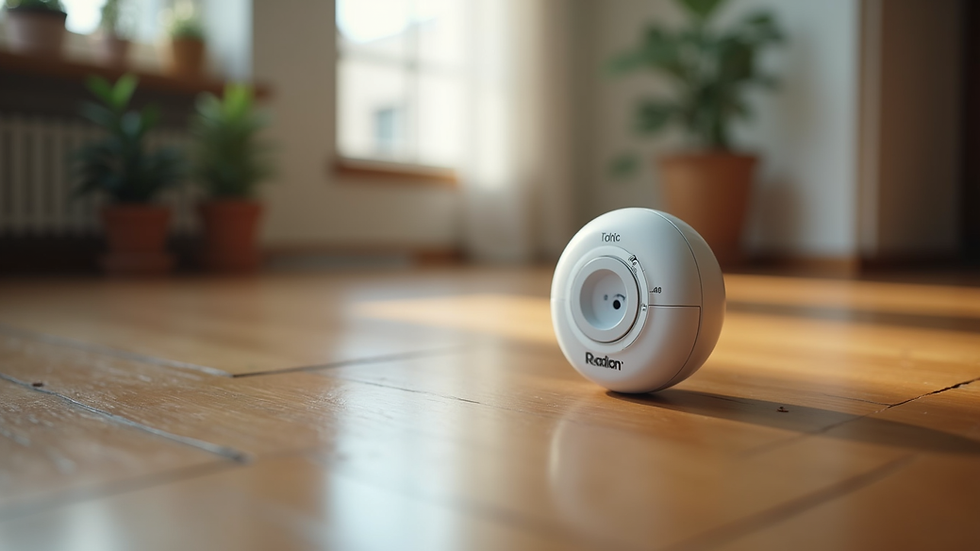
Initial testing using short-term or long-term radon detectors.
Analysis of test results to evaluate radon concentration.
Recommendations for mitigation if levels are above the safe threshold.
Certified professionals use specialized equipment and follow strict protocols to ensure accurate results. This assessment helps homeowners and property managers make informed decisions about radon mitigation and indoor air quality.
Why Certified Radon Testing Matters
Certified radon testing is more reliable than DIY kits or uncertified services. Certified testers have undergone training and certification programs that teach them how to:
Properly place radon detectors in the home.
Use calibrated and approved testing devices.
Interpret results accurately.
Provide clear reports and recommendations.
Using certified radon testing services ensures that the assessment meets local and national standards. This is especially important during real estate transactions, where radon disclosure and mitigation may be required by law.
Professional testing also helps avoid false positives or negatives, which can lead to unnecessary expenses or overlooked risks. Certified testers can guide you through the next steps if high radon levels are detected, including mitigation options and follow-up testing.
What are the symptoms of radon in your house?
Radon itself does not cause immediate symptoms because it is a gas that affects health over time. There are no direct signs or symptoms of radon exposure inside a home. However, long-term exposure to elevated radon levels can lead to serious health issues, primarily lung cancer.
Because radon is undetectable by human senses, relying on symptoms is not a safe approach. Instead, regular testing is the only way to know if radon is present at harmful levels. If you or your family members experience unexplained respiratory problems, it is important to consider radon testing as part of a broader health assessment.
How to Conduct a Radon Hazard Assessment
Conducting a radon hazard assessment involves several clear steps:
Choose a certified radon tester - Look for professionals with proper certification and experience.
Select the type of test - Short-term tests last 2 to 7 days, while long-term tests can last up to 90 days.
Prepare the home - Keep windows and doors closed as much as possible during the test.
Place detectors correctly - Test devices should be placed in the lowest lived-in level of the home.
Collect and analyze data - The tester will retrieve the devices and analyze the results.
Receive a detailed report - The report will include radon levels and recommendations.
If the radon level is above the EPA action level, mitigation steps should be taken promptly. These may include improving ventilation, sealing cracks in floors and walls, or installing a radon reduction system.

Taking Action After Radon Testing
Once you have the results from your radon hazard assessment, it is important to act accordingly:
If radon levels are low (below 4 pCi/L): Continue regular testing every 2 years to ensure levels remain safe.
If radon levels are high (4 pCi/L or above): Contact a certified radon mitigation professional to reduce radon levels.
Follow up with retesting after mitigation to confirm the effectiveness of the system.
Mitigation systems can reduce radon levels by up to 99%. These systems are safe, effective, and can be installed without major disruption to your home. Taking action not only protects your health but also increases the value and safety of your property.
For reliable and accurate testing, consider using radon testing services from certified experts who understand the importance of thorough radon hazard assessment.
Maintaining a Safe Indoor Environment
Radon testing is not a one-time task. Maintaining a safe indoor environment requires ongoing attention:
Test your home every 2 years or after major renovations.
Keep your radon mitigation system well-maintained.
Seal cracks and openings in your foundation regularly.
Monitor indoor air quality with professional help if needed.
By staying proactive, you can ensure your living space remains safe from radon and other environmental hazards. Certified radon testing and hazard assessment are key components of a healthy home.
Certified radon testing and hazard assessment provide peace of mind and protect your health. Taking these steps helps create safer living spaces and complies with health regulations. Trust certified professionals to guide you through the process and keep your home safe from radon risks.


Comments