


Protecting Health with Reliable Mold Hazard Assessment and Testing
Mold is a common problem in many buildings. It grows in damp, poorly ventilated areas and can cause serious health issues. Identifying mold early is essential to protect your health and property. That is why a reliable mold hazard assessment is important. It helps detect mold presence and guides proper removal.
Understanding Mold Hazard Assessment
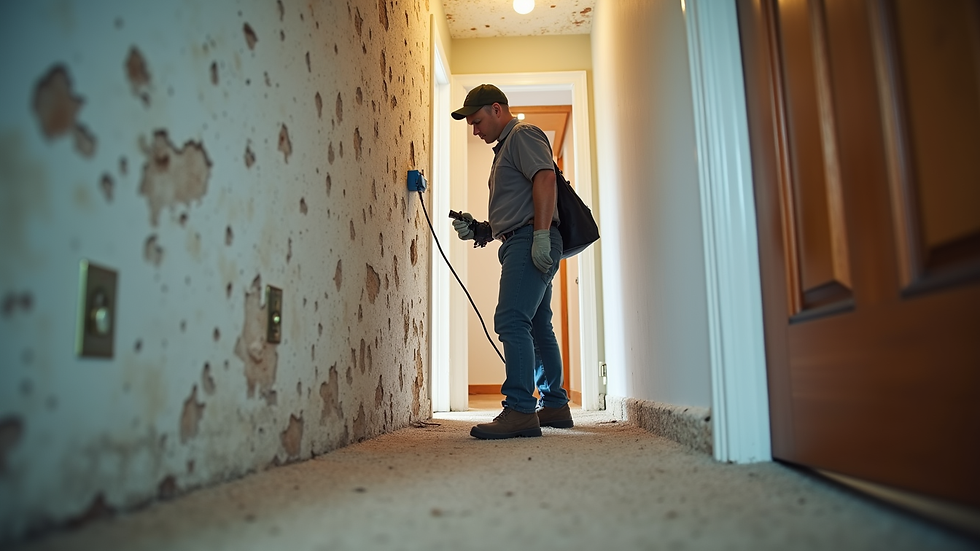
A mold hazard assessment is a thorough inspection of your property to find mold growth and moisture problems. It involves checking visible areas and hidden spaces where mold can thrive. Professionals use tools like moisture meters and infrared cameras to detect dampness behind walls or under floors.
During the assessment, samples may be collected to identify the type of mold. This is important because some molds are more harmful than others. The results help determine the best course of action to remove mold safely and prevent future growth.
A proper mold hazard assessment includes:
Visual inspection of all rooms, basements, attics, and crawl spaces
Checking ventilation systems and plumbing for leaks
Measuring humidity levels
Collecting air and surface samples for lab analysis
This process ensures that no mold problem goes unnoticed. It also helps prioritize repairs and cleaning efforts.

Why Mold Hazard Assessment Matters for Your Health
Mold releases spores into the air that can cause allergic reactions, respiratory problems, and other health issues. People with asthma, allergies, or weakened immune systems are especially vulnerable. Even healthy individuals can experience symptoms like coughing, sneezing, eye irritation, and headaches when exposed to mold.
A mold hazard assessment helps identify hidden mold that may not be visible but still affects indoor air quality. Early detection allows you to take action before health problems worsen.
Here are some health risks linked to mold exposure:
Allergic reactions such as runny nose, skin rash, and watery eyes
Asthma attacks triggered by mold spores
Respiratory infections in sensitive individuals
Chronic fatigue and headaches in severe cases
By addressing mold problems promptly, you reduce these risks and create a safer living environment.
How much does mold testing cost?
The cost of mold testing varies depending on the size of the property and the extent of the inspection. On average, a basic mold hazard assessment can range from $300 to $600. More comprehensive testing with multiple samples and lab analysis may cost between $500 and $1,000.
Factors influencing the price include:
Number of samples collected
Type of testing (air, surface, or bulk)
Accessibility of inspection areas
Urgency of the service
While the cost may seem high, investing in professional mold testing services can save money in the long run by preventing extensive damage and health issues.
Steps to Take After a Mold Hazard Assessment
Once the assessment is complete, you will receive a detailed report outlining the findings. This report includes:
Locations of mold growth
Types of mold identified
Moisture sources contributing to mold
Recommendations for remediation
Based on this information, you should:
Fix any water leaks or moisture problems immediately.
Hire qualified mold remediation professionals if mold is extensive.
Clean small mold patches using appropriate protective gear and cleaning agents.
Improve ventilation and humidity control in your home.
Monitor the affected areas regularly to prevent recurrence.
Taking these steps ensures that mold does not return and your indoor air quality improves.
Choosing Reliable Mold Testing Services
Selecting a trustworthy company for mold testing is crucial. Look for providers with:
Certified and experienced inspectors
Clear and detailed reporting
Use of advanced testing equipment
Good customer reviews and references
Compliance with local health and safety regulations
You can find reliable mold testing services that meet these criteria. Working with experts gives you confidence in the accuracy of the assessment and the safety of your home.
Maintaining a Mold-Free Environment
Preventing mold growth is easier than dealing with an infestation. To keep your home mold-free:
Control indoor humidity below 60%
Use exhaust fans in kitchens and bathrooms
Repair leaks promptly
Clean and dry wet areas within 24-48 hours
Use mold-resistant products in vulnerable areas
Regular inspections and maintenance help catch problems early. If you suspect mold, do not delay in getting a professional assessment.
Protecting your health starts with knowing the risks and taking action. A reliable mold hazard assessment and testing provide the information you need to keep your home safe.
By understanding mold hazards and investing in professional testing, you create a healthier living space. Stay vigilant and proactive to avoid the dangers mold can bring.


Comments