


Comprehensive Guide to Environmental Hazard Assessment
When buying or managing property, understanding potential environmental risks is crucial. Environmental hazards like lead, asbestos, mold, and radon can affect health and property value. This guide helps you identify and assess these risks effectively. I will walk you through the key steps and important details to consider.
Understanding Environmental Hazard Assessment
Environmental hazard assessment involves checking a property for harmful substances or conditions. These hazards can cause health problems or legal issues if not addressed. Common hazards include:
Lead paint: Often found in older homes, lead paint can cause serious health issues, especially for children.
Asbestos: Used in building materials before the 1980s, asbestos fibers can cause lung diseases.
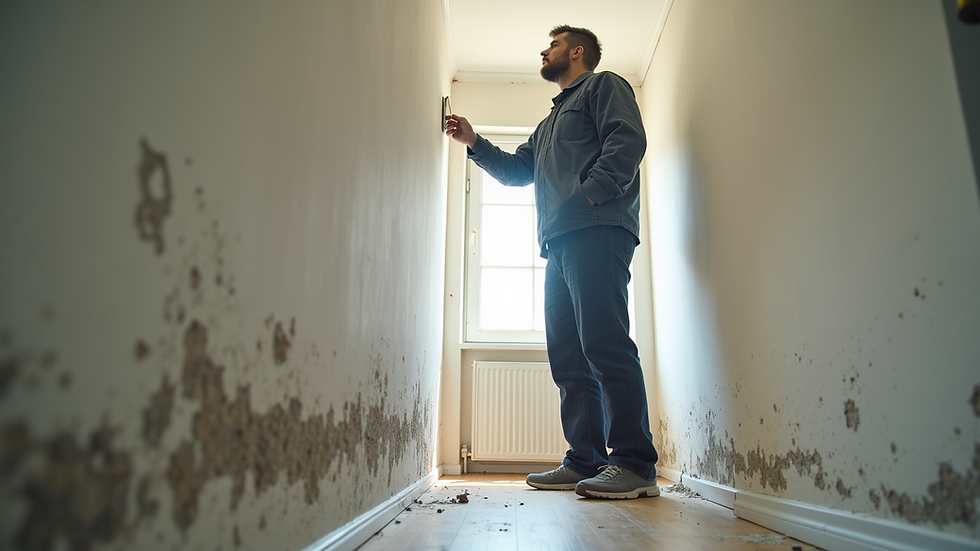
Mold: Mold grows in damp areas and can trigger allergies and respiratory problems.
Radon: A naturally occurring radioactive gas that can accumulate indoors and increase cancer risk.
Assessing these hazards helps you make informed decisions about property safety and compliance with health regulations. It also guides necessary remediation steps to create a safer environment.
Why Environmental Hazard Assessment Matters
Ignoring environmental hazards can lead to costly repairs, health risks, and legal complications. Here are some reasons why assessment is essential:
Protect health: Identifying hazards early prevents exposure to toxic substances.
Ensure compliance: Many regions require hazard assessments before property transactions or renovations.
Preserve property value: Addressing hazards maintains or increases property worth.
Plan remediation: Knowing the type and extent of hazards helps in planning effective cleanup.
For example, if a home has high radon levels, installing a mitigation system can reduce risk. If asbestos is found during renovation, proper removal prevents fiber release.
What is the difference between environmental site assessment phase 1 2 and 3?
Environmental site assessments typically follow three phases. Each phase has a specific purpose and scope:
Phase 1: This is a preliminary assessment. It involves reviewing property history, records, and a visual inspection. The goal is to identify potential or existing environmental concerns without physical testing. For example, checking past industrial use or nearby contamination sources.
Phase 2: If Phase 1 finds possible hazards, Phase 2 involves sampling and laboratory testing. Soil, water, air, or building materials may be tested to confirm contamination. This phase provides detailed data on the type and level of hazards.
Phase 3: This phase focuses on cleanup and remediation planning. It uses Phase 2 results to design and implement measures to remove or contain hazards. It may include soil excavation, asbestos removal, or mold remediation.
Understanding these phases helps you know what to expect during an assessment and how to prepare.

How to Prepare for an Environmental Hazard Assessment
Preparation makes the assessment process smoother and more effective. Here are practical steps to take:
Gather property documents: Collect past inspection reports, renovation records, and any environmental studies.
Identify potential hazards: Note any visible signs like peeling paint, water damage, or unusual odors.
Clear access areas: Ensure inspectors can reach basements, attics, crawl spaces, and exterior walls.
Inform occupants: Let residents or tenants know about the assessment schedule and purpose.
Hire qualified professionals: Choose certified inspectors or consultants with experience in environmental hazard assessment.
Being prepared helps the assessor work efficiently and provides accurate results.
What to Expect During the Assessment
During the assessment, the professional will:
Conduct a visual inspection of the property.
Review historical records and previous reports.
Collect samples if needed (Phase 2).
Use specialized equipment to detect hazards like radon or asbestos fibers.
Document findings with photos and notes.
After the assessment, you will receive a detailed report. This report explains the hazards found, their locations, and recommended actions.
Taking Action After the Assessment
Once you have the assessment report, take these steps:
Review the findings carefully: Understand the risks and affected areas.
Consult with experts: Talk to environmental consultants or contractors about remediation options.
Plan remediation: Prioritize hazards based on severity and health impact.
Implement cleanup: Hire licensed professionals for removal or mitigation.
Follow up: Conduct post-remediation testing to ensure hazards are addressed.
For example, if lead paint is detected, you may need to hire certified lead abatement contractors. If mold is found, professional mold remediation will remove it safely.
Maintaining a Safe Property Environment
Environmental hazard assessment is not a one-time task. Regular monitoring and maintenance help keep your property safe:
Schedule periodic inspections, especially before buying or renovating.
Address water leaks and moisture issues promptly to prevent mold.
Test for radon every few years, as levels can change.
Keep records of all assessments and remediation work.
By staying proactive, you reduce health risks and protect your investment.
Environmental safety is a critical part of property management. Using a thorough environmental site assessment helps identify hidden hazards and guides effective action. This knowledge empowers you to create healthier indoor environments and comply with regulations.
If you want to ensure your property is free from environmental hazards, start with a professional assessment today. It is a smart step toward safety and peace of mind.


Comments